Opening Hours
Wednesday through Sunday from 11:00 a.m. ‒ 4:00 p.m. BY APPOINTMENT. See more...

Wednesday through Sunday from 11:00 a.m. ‒ 4:00 p.m. BY APPOINTMENT. See more...

Rent our space for your wedding, party, or other gathering. Book now...

1357 Bayou Rd, St Bernard, LA 70085.
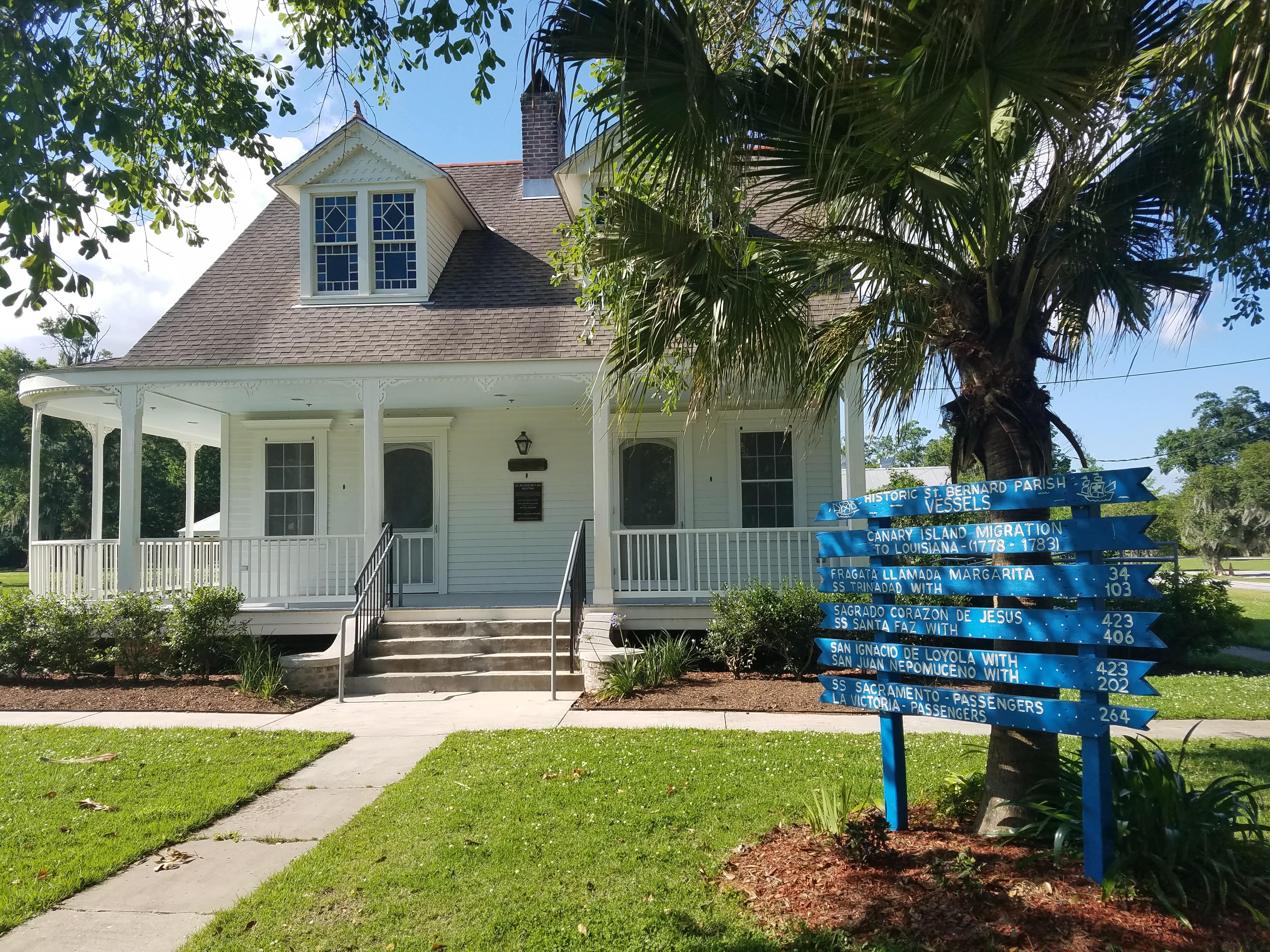
Please park in the gravel parking lot next to El Museo de los Isleños (Los Isleños Museum).
Los Isleños Museum and Historic Village, known formally as Los Isleños Museum Complex, is composed of nine structures and includes a Houma Native American interprative area, marker to the Filipino presence in Louisiana, and nature trail. See more...
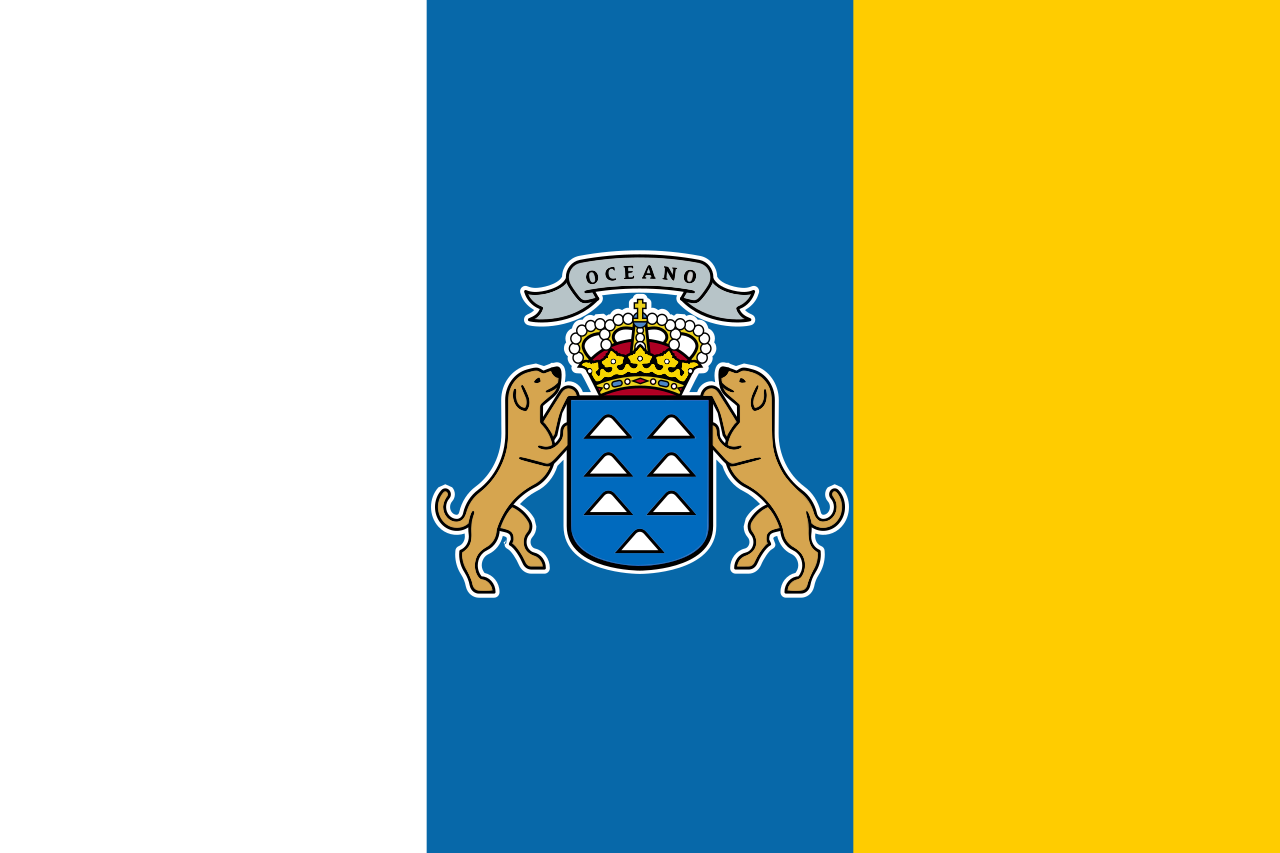
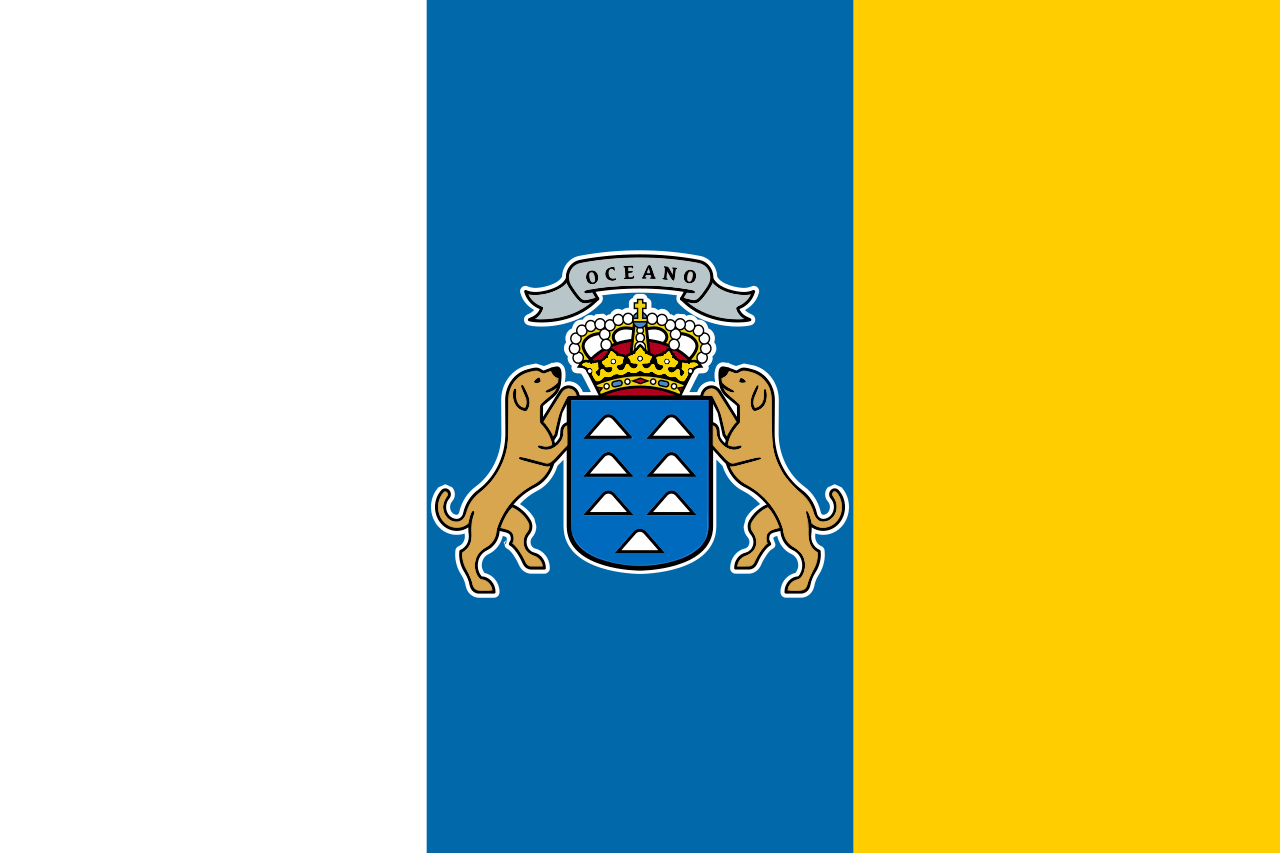
An Isleño (pronounced ees-LAYN-yoh) is a descendant of Canary Islanders who arrived in the territory of Louisiana during the late 18th century. Through their interaction with the natural environment and neighboring communities in the region, the Isleños of Louisiana have developed a unique identity and culture. A number of elderly Isleños speak Spanish as a first language and practice the customs of our ancestors.
The word isleño is Spanish for ‘Islander’ as in ‘Canary Islander’.
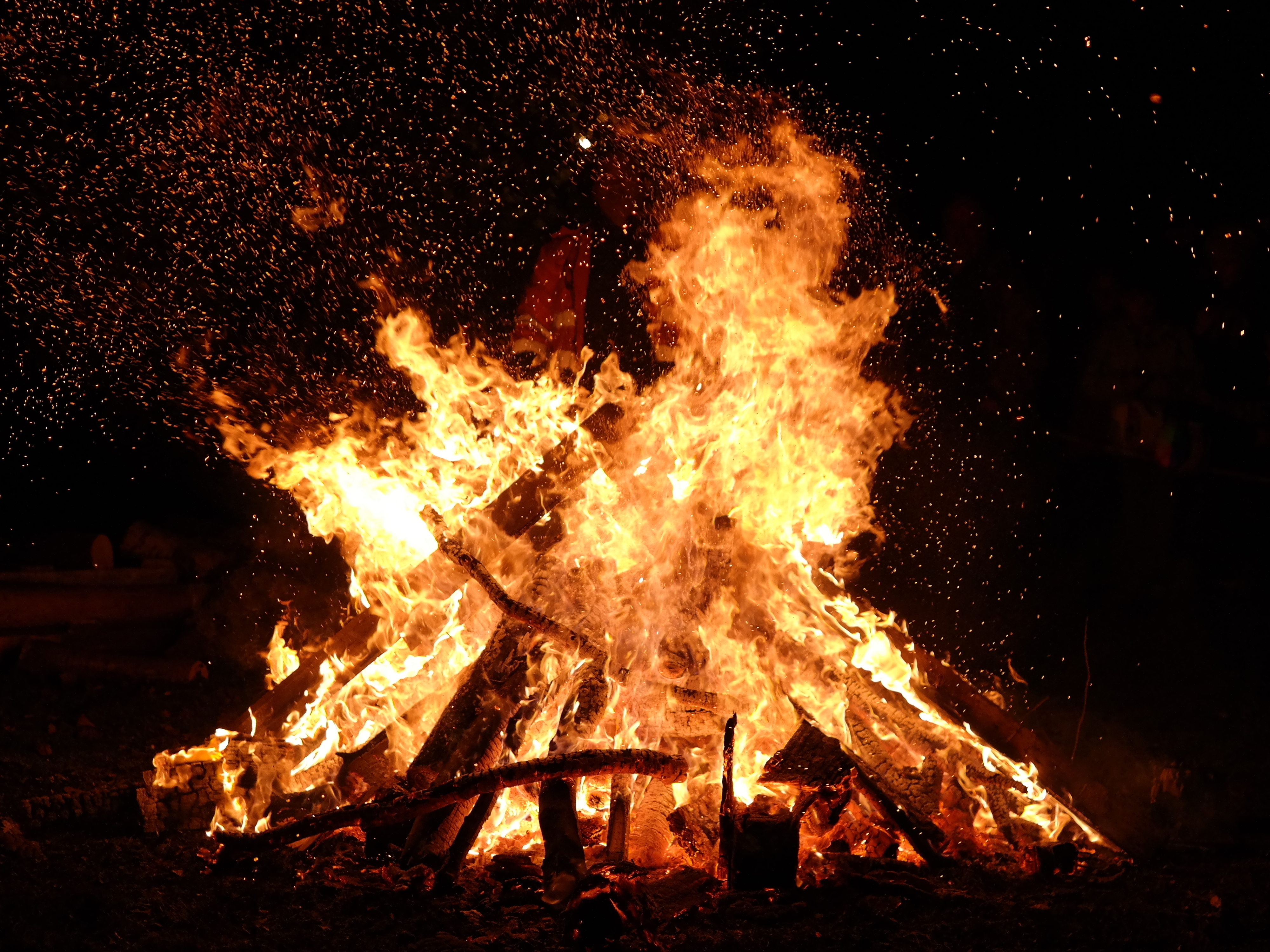
December 5th, 2026
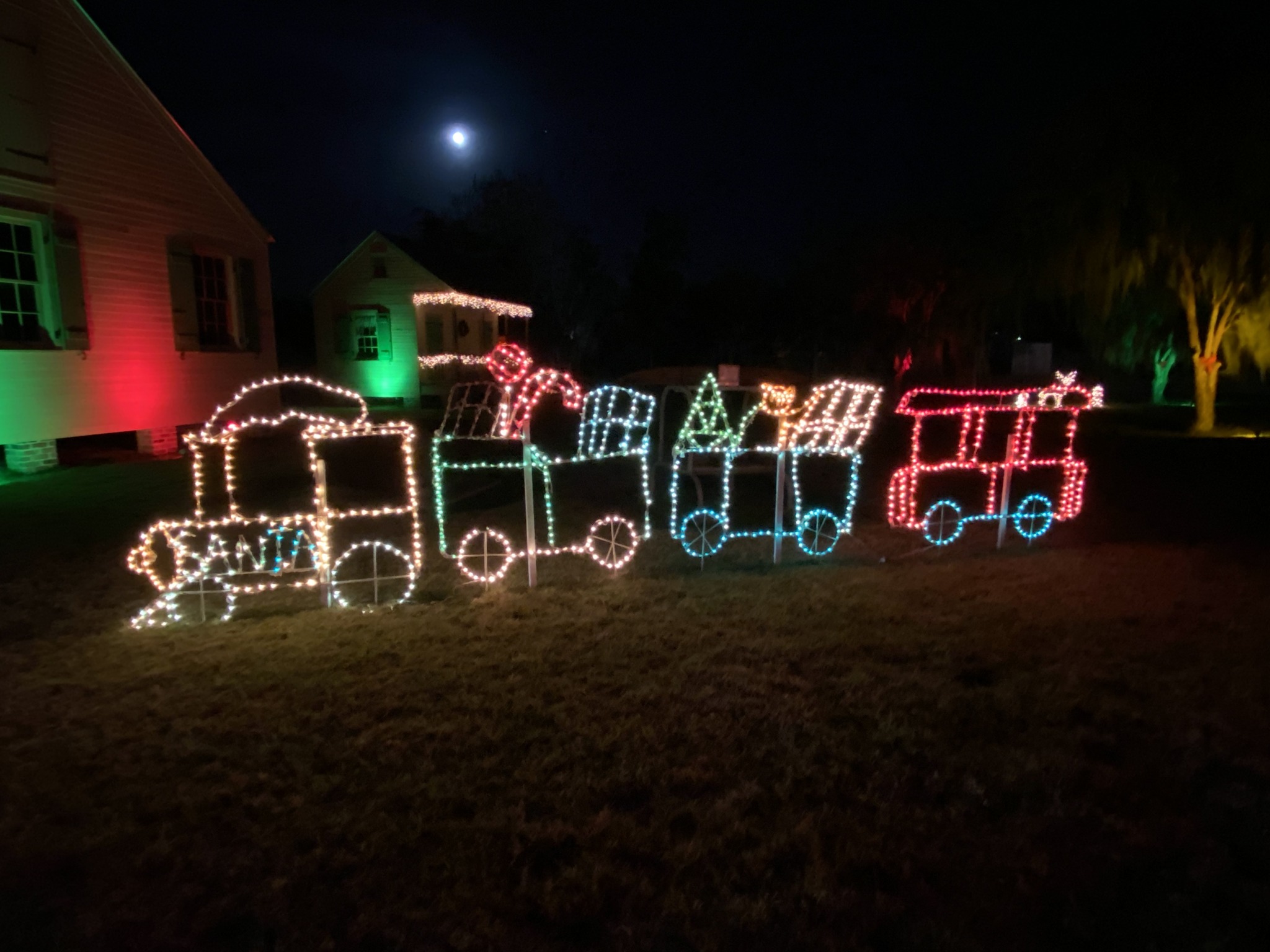
December 12th, 2026
June 14th, 2026
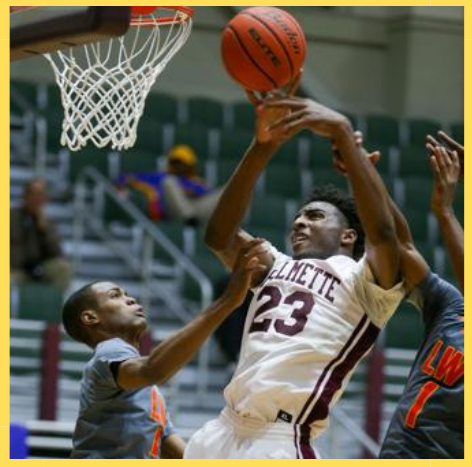
St. Bernard Parish has plenty to celebrate as local native Mitchell Robinson helped lead the New York Knicks to an NBA championship. Robinson attended Chalmette High School before continuing his basketball journey to the highest level of the sport, and his success has become a source of pride for many throughout the parish.
To honor his achievement, St. Bernard Parish is hosting a community parade celebrating Robinson's championship season. From the courts of Chalmette to the bright lights of the NBA Finals, his story reflects the determination, talent, and hometown pride that continue to inspire the next generation of athletes across our community..
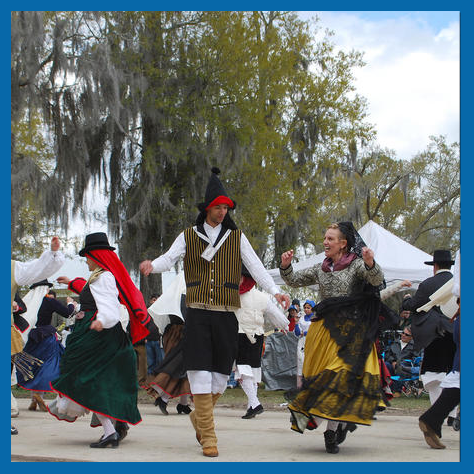
June 7th, 2026
Los Isleños Museum Complex serves as a living connection to the history, traditions, and culture of the Canary Island settlers who helped shape St. Bernard Parish more than two centuries ago. Through exhibits, educational programs, historic structures, and community events, the museum works to preserve and share the unique story of Louisiana's Isleño descendants.
Whether you're exploring local history, learning about traditional crafts and music, or simply enjoying the beauty of the region, the Los Isleños Museum offers visitors a chance to experience an important part of our parish's cultural heritage. We invite residents and visitors alike to discover the stories that continue to connect our community to its Canary Island roots.
May 5th, 2026
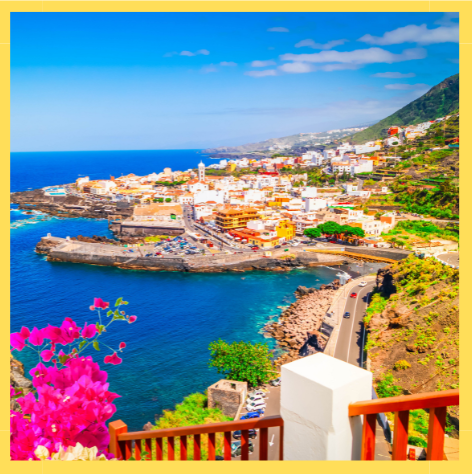
While Cinco de Mayo commemorates a Mexican victory at the Battle of Puebla, the holiday also offers an opportunity to reflect on the diverse Spanish-speaking cultures that have shaped communities throughout the Americas.
The Isleños of St. Bernard Parish trace their roots to settlers from Spain's Canary Islands who arrived in Louisiana between 1778 and 1783. Their traditions, language, music, and food remain an important part of Louisiana's cultural landscape today.

Between 1778 and 1783, about 2,000 Canary Islanders arrived in Louisiana and were settled in four locations strategically placed to protect the city of New Orleans. The settlements were known as Galveztown, Valenzuela, Barataria, and San Bernardo. Those at San Bernardo lived on land grants along Bayou Terre-aux-Boeufs.
In San Bernardo, the Isleños quickly established their significance in the New World through their produce and poultry which dominated the markets of New Orleans. Ranchers from as far as Texas came to have their cattle trained by skilled Isleños. Later, many Isleños began to hunt, trap, and fish in the Louisiana wetlands.
Only in St. Bernard Parish has the language and culture of those original Canary Islanders survived, in a significant measure, into the 21st century. Perhaps several hundred thousand people are descendants today. The Isleño community represents the last living vestige of Spanish Colonial Louisiana and the extent of the Canarian identity.
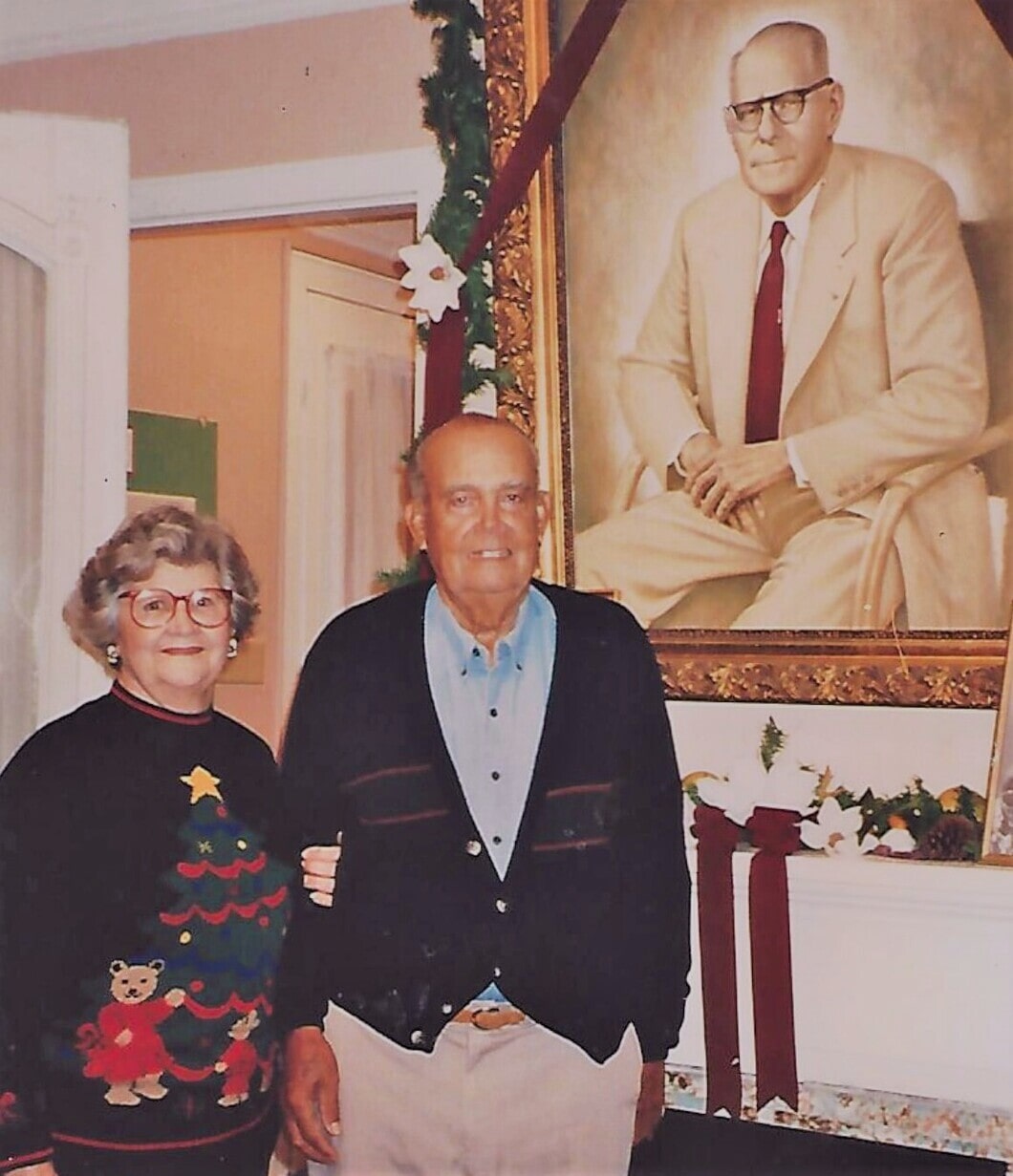
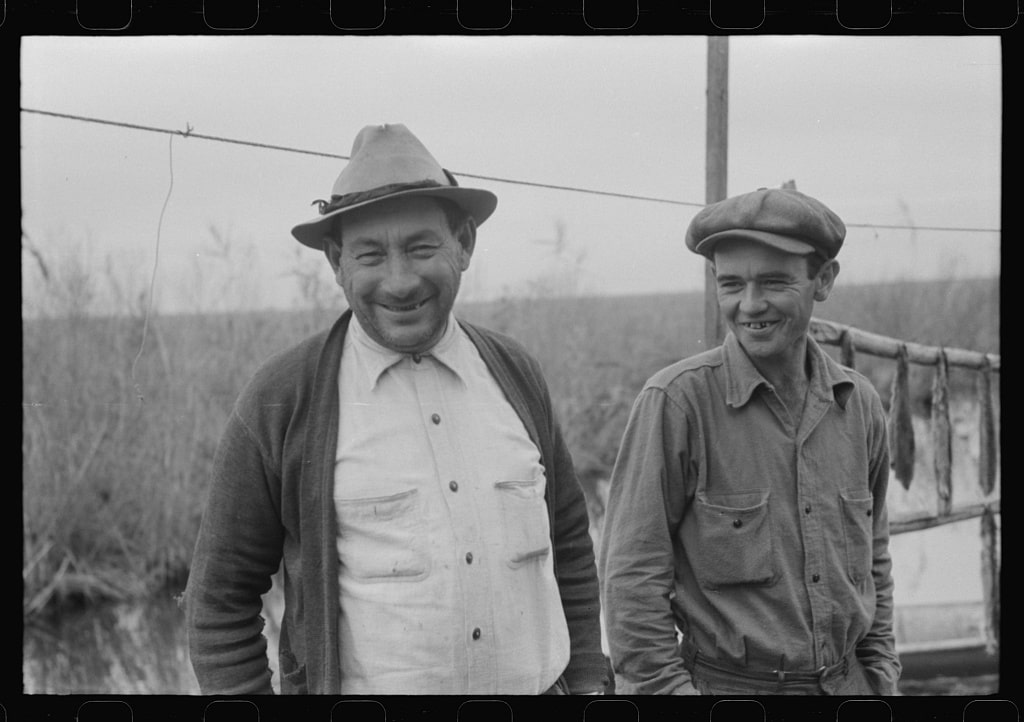
Frank Fernández, Jr. (1918 – 2001) remained unsurpassed as a benevolent family patriarch, educator, public servant, and community leader. His unfailing courage in confronting life’s battles was an inspiration to all who knew him. Frank Fernández founded the movement to preserve the heritage and cultural identity of the Isleños as well as establish Los Isleños Museum and Historic Village and Los Isleños Heritage and Cultural Society of St. Bernard.
Adele (Molero) Fernández (1926 – 2016) was the ever-faithful wife and companion of Frank Fernández. She was proud of her heritage and consistently displayed the courage and “resilience” to successfully contend with hurricanes, floods, and rebuilding her home. She was a loyal and resourceful friend who cared for her family. Mrs. Fernández was an excellent cook, gracious hostess, and keen observer of humanity.