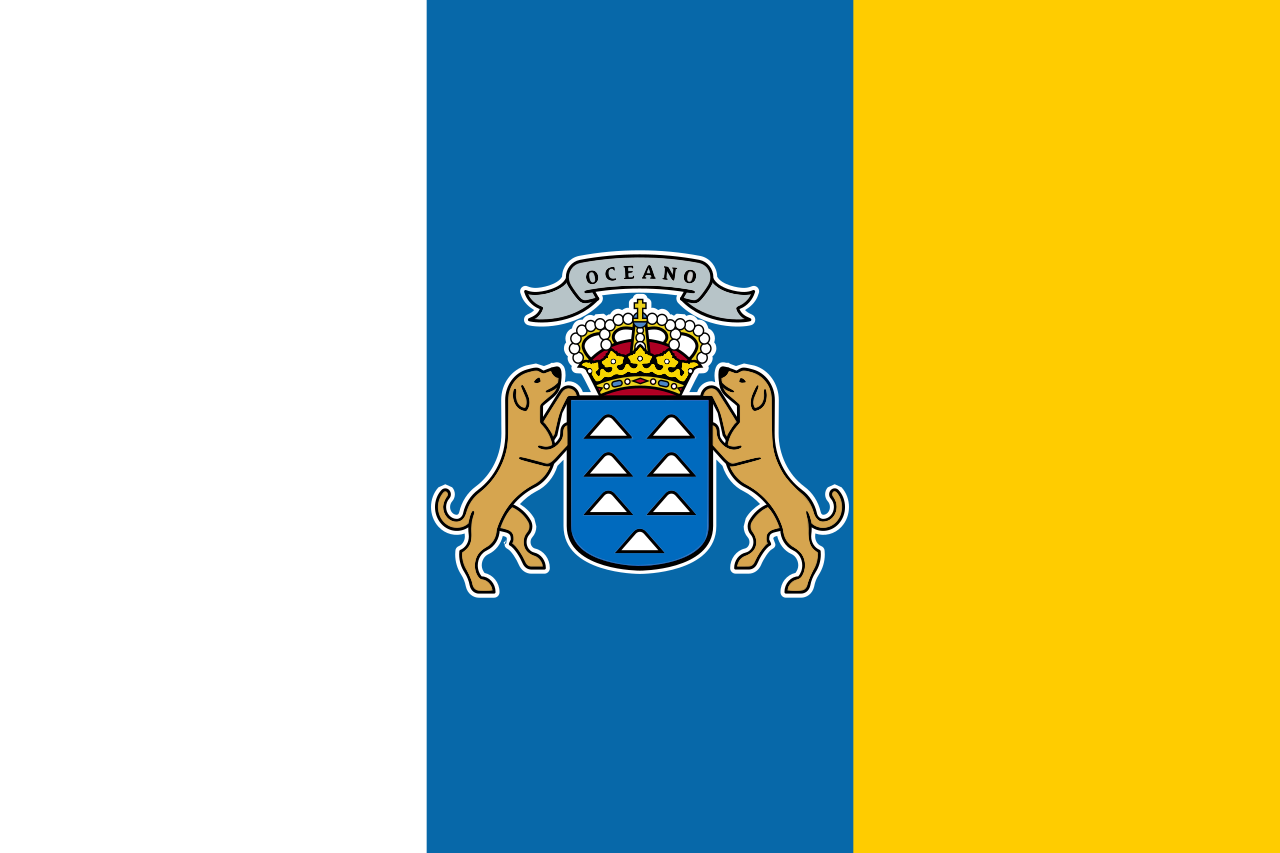
While the exact number of Canary Islanders that arrived in Louisiana remains a mystery, current estimates suggest that about 2,000 people ultimately completed this journey from 1778 to 1783. Even after this period, Canary Islanders continued to arrive in Louisiana and other parts of the New World. Over the centuries, different communities interacted with the Isleños and came to shape the Isleño identity such as Spaniards, Acadians, Filipinos, French, Africans, Italians, Germans, Native Americans, and other ethnic groups. It is unknown just how many people belong to the Canary Islander Descendant Community, but the number could be as high as several hundred thousand.
If you possess any of the following surnames, or are a direct descendant of someone with one of these surnames, you could belong to Canary Islander Descendant Community. The following list is not exhaustive and mainly focuses on the community of San Bernardo:
• Acosta, de Acosta
• Aguilar
• Aisola
• Alfonso, Alphonso (Afonso)
• Álvarez
• Armas, de Armas
• Artiles
• Assevedo, Asevedo, Acevedo
• Bargas
• Bezas
• Bienes
• Bermejo
• Cabrera
• Calcines, Calsini
• Carrero
• Claro
• Cubas, de Cubas
• Delgado
• Díaz
• Domínguez
• Dueñas
• Estopinal (Estupiñán)
• Estéves, Esteve, Estaves, Estave
• Fernández
• García
• Gonzáles
• González
• Gonzalo
• Guellas
• Guerra
• Gutiérrez
• Graú
• Hernández, Ernández
• Herrera
• Jiménez, Ximénez
• López
• La Mar, Lamar, de la Mar
• Martínez
• Menesses
• Mesa
• Molero
• Morales
• Marrero
• Núñez
• Ojeda, Oxeda
• Ortiz
• Palacios
• Plasencia
• La Paz, de la Paz
• Pérez
• Perrera
• Pertano
• Querido
• Ramírez
• Ramos
• Rabelo
• Rodríguez
• Romero
• Ríos, de Ríos
• Rojas, de Rojas
• Ruiz
• Sánchez
• Santiago
• Segura, de Segura
• Serpas, Zerpas, Cerpas, Celpas, Zerpa, Cerpa
• Socas
• Suárez
• Torres
• Viera
Additionally, there are surnames that do not originate to the Canary Islands, such as the name Melerine (Malarín) which originates to the city of Cádiz in Andalucia, but members of this family are all descendants of Canary Islanders. Some Acadian families became completely hispanized such as the Robin (pronounced ro-BAN) family.
If you are unsure of your Canary Islander ancestry, please feel free to make an appointment to visit the Louis A. Ducros, M.D. Museum and Research Library at Los Isleños Museum and Historic Village. For information on the Canary Islanders of Valenzuela and Galveztown, please see the Canary Islanders Heritage Society of Louisiana which has done extensive genealogical research on these communities.
Bourquard, S. C. (1987). Early Settlers on the Delta: families of St. Bernard, Plaquemines and Orleans Parishes, Louisiana. Arabi, LA: S.C. Bourquard.
Din, G. C. (1999). The Canary Islanders of Louisiana. Baton Rouge, LA: Louisiana State University Press.