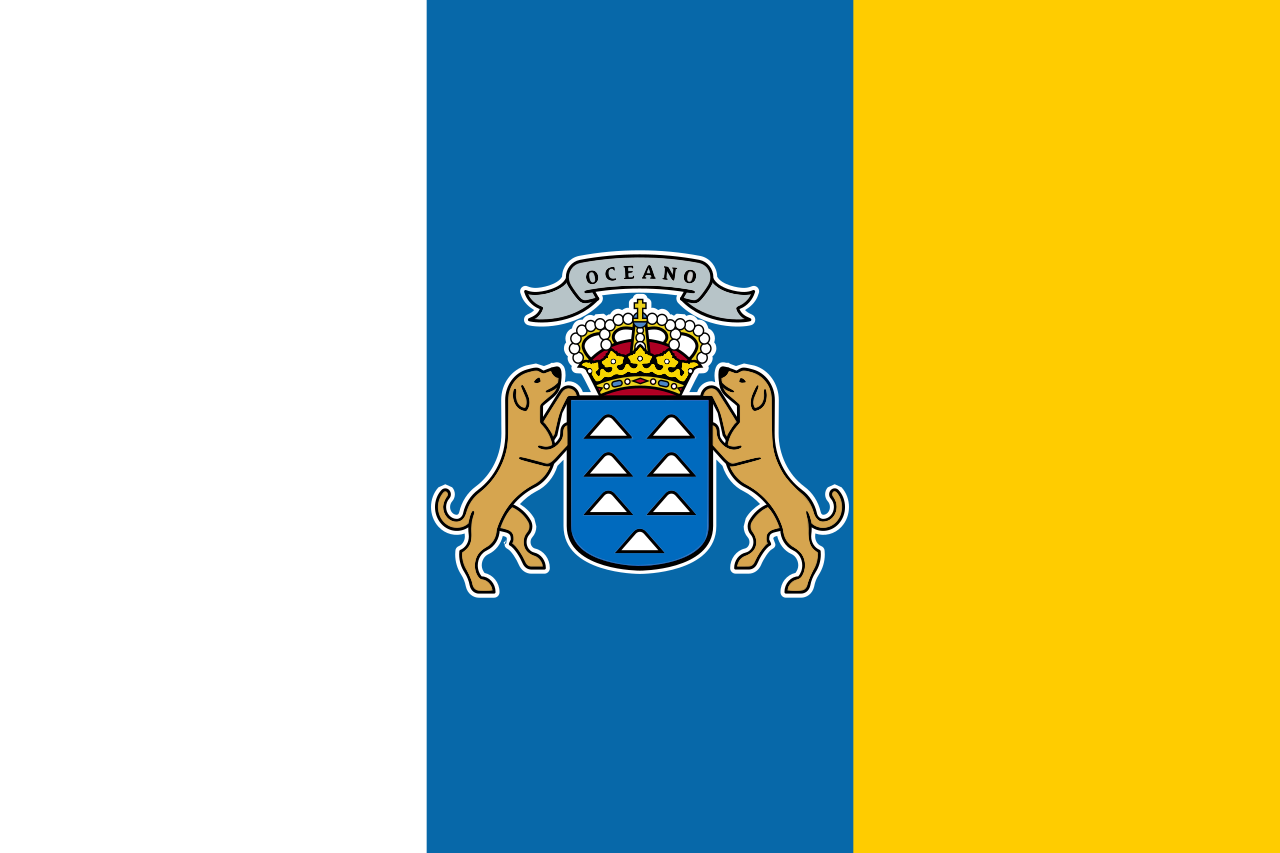
Under the reign of Carlos III, Spain recruited more than 3,000 colonists from the Canary Islands to settle the sparsely populated colony of Louisiana between 1777 and 1782. Referred to as isleños, meaning ‘Islanders,’ these consummate survivors formed the vanguard of Spain’s colonization efforts. Following the French and Indian War, the colony was divided into two sections. All that territory lying west of the Mississippi River and the Isle of Orleans, including the fledgling town of New Orleans, was ceded to Spain. All of the former French territory lying east of the Mississippi River was ceded to Great Britain.
Isleños were settled in Louisiana by Governor Bernardo de Gálvez in four locations named Galveztown, Barataria, San Bernardo and Valenzuela, strategically placed along waterways which ultimately connected the Mississippi River to the Gulf of Mexico. The settlement downriver from New Orleans along Bayou Terre-aux-Boeufs came to be known as Tierra de Bueyes, La Concepción, Nueva Gálvez, San Bernardo de Nueva Gálvez, San Bernardo del Torno and, finally, the Población de San Bernardo.
Canary Islanders and their descendants have lived and thrived along the banks of Bayou Terre-aux-Boeufs since 1779, though they have endured incredible hardships. Periodic floods of the Mississippi River from 1793 to 1927, coupled with the British invasion during the Battle of New Orleans (1814-1815) with frequent, often devastating hurricanes since 1782 have been among the challenges which have threatened the existence of the Isleño community of St. Bernard Parish. Nevertheless, twenty-first century Isleño descendants still cling to their cultural identity and celebrate their heritage. The descendants of Isleño colonists throughout the state constitute the last living vestige of Spanish Colonial Louisiana.
Become a member today Join today!
Beginning in the fourteenth century, the kingdoms of the Iberian Peninsula, predating the establishment of the Kingdom of Spain, began searching for gold and other valuable resources beyond Europe. King Henry III of Castile commissioned Jean de Béthencourt to explore, conquer and colonize the Canary Islands which he began with the conquest of the island of Lanzarote in 1402. Béthencourt had identified cochineal, an insect which yielded a valuable crimson-red dye, in the Canaries. The conquest of the Canaries continued throughout the remainder of the fifteenth century, finally concluding with the conquest of the island of Tenerife in 1496.
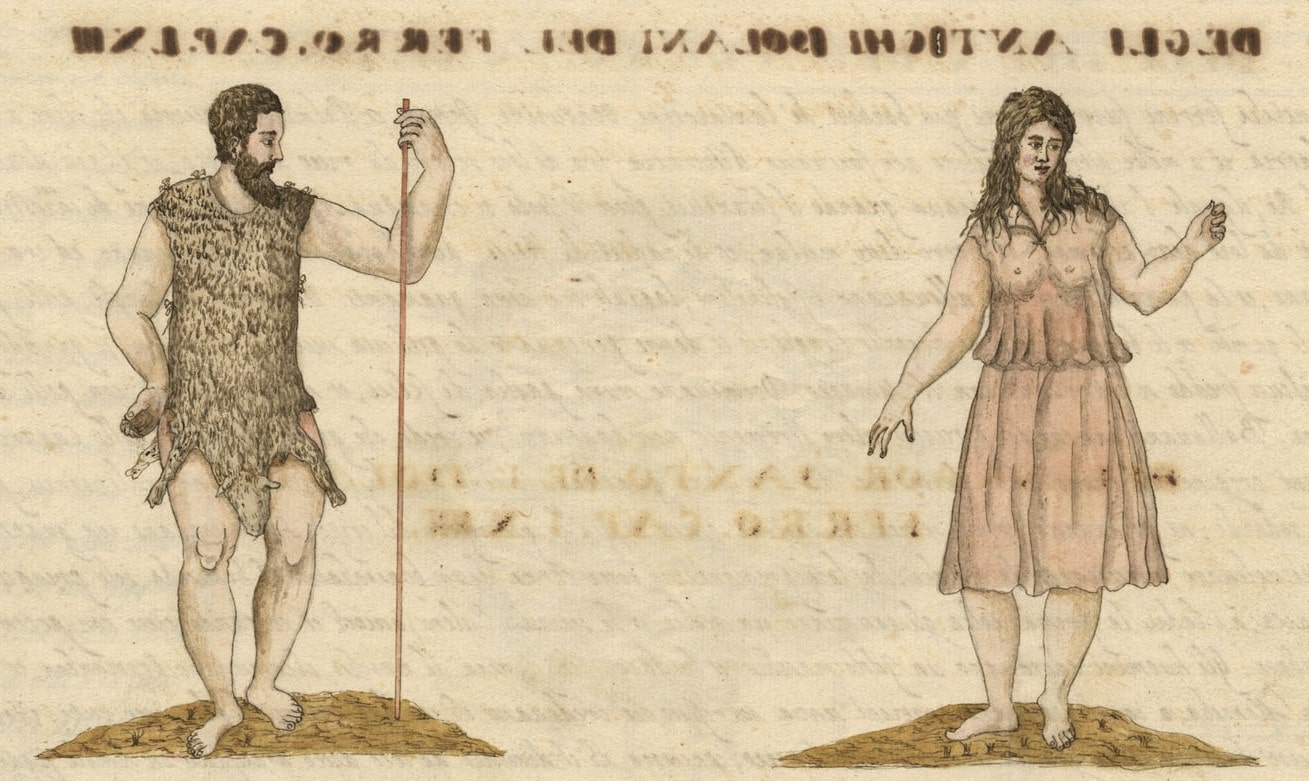 The Europeans encountered determined resistance from tribes of indigenous inhabitants in the Canaries. Some of the tribes were the Majoreros, Bimbaches, and Guanches. Following the conquest, gradually all indigenous tribes came to be called "Guanches," though originally the name Guanche identified indigenous people from Tenerife. The indigenous peoples were enslaved by their European conquerors and many succumbed to disease introduced by Europeans. Later, Spain released the inhabitants from bondage and today the majority of Canary Islanders trace their ancestry to these indigenous people, ancient relatives to the Berber peoples of North Africa who migrated to the Canaries in 1000 BCE or earlier…
By the end of the fifteenth century, the Canaries had become part of the newly emerging Spanish Empire. Christopher Columbus’ last stop before “discovering” the New World was made on the island of La Gomera in 1492. The Canaries are situated off the coast of Morocco in the Atlantic Ocean and were located about one-third the distance along the historic sailing route from Europe to the West Indies. Because of their geographic location, logistical considerations made the Canaries the gateway to the Spanish Empire in the Americas. The archipelago of the Canary Islands consists of thirteen islands, all volcanic in origin, of which eight are inhabited. The inhabited islands are Lanzarote, La Graciosa, Fuerteventura, Gran Canaria, Tenerife, La Gomera, La Palma and El Hierro. The climate of the Canaries is very arid because of its proximity to the Sahara Desert. Average annual precipitation can range from 5-15 inches (13-38 centimeters) per annum, though droughts periodically diminish average rainfall. The easternmost islands in the Atlantic and mountain areas receive more precipitation. The majority of Canary Islanders, known as isleños, who settled in Louisiana and St. Bernard Parish came from Tenerife, Gran Canaria and La Gomera, though colonists were recruited on other islands of archipelago.
The Canary Islands became a proving ground for the development of policies which were utilized in the administration of the global Spanish Empire. Slavery and the cultivation of sugar cane were introduced to the Americas through the Canaries. Isleños formed the vanguard of Spain’s colonization programs throughout her empire. Canary Islanders were consummate survivors, terrace farming the slopes of volcanoes with scarce water while often living in stone structures with dirt floors and palm roofs. In short, they were ideal colonists who could survive in incredibly harsh environments while building communities in wilderness environments. Canary Islanders settled in Venezuela, Cuba, Puerto Rico, Santo Domingo (Hispaniola), Mexico, Paraguay, Uruguay, the Philippine Islands and wherever else Spain maintained a colonial presence. The City of San Antonio, Texas in the United States was founded by Isleño colonists principally from Lanzarote Island in 1731.
Louisiana was ceded to Spain by France following the French and Indian War, known in Europe as the Seven Years' War. Spain acquired all of Louisiana west of the Mississippi River including the Isle of Orleans on the east bank of the Mississippi. The Isle of Orleans was given to Spain because the French realized that whichever power held New Orleans controlled the mouth of the Mississippi and access to the entirety of the Mississippi Valley. Great Britain received all remaining territory east of the Mississippi River, meaning that the British colonial presence began south of Baton Rouge where Bayou Manchac entered the Mississippi. In the 1750s and early 1760s, the British had gained control of much of Louisiana’s economy and were very familiar with Louisiana topography and her people.
Spain began her colonial administration of Louisiana in 1766 and found a colony sparsely populated whose economy was dominated by her principal rival, Great Britain. Francisco Bouligny, one of the most accomplished administrators in Spanish Louisiana, articulated a colonization program which he deemed utterly essential to the success of Spain in Louisiana.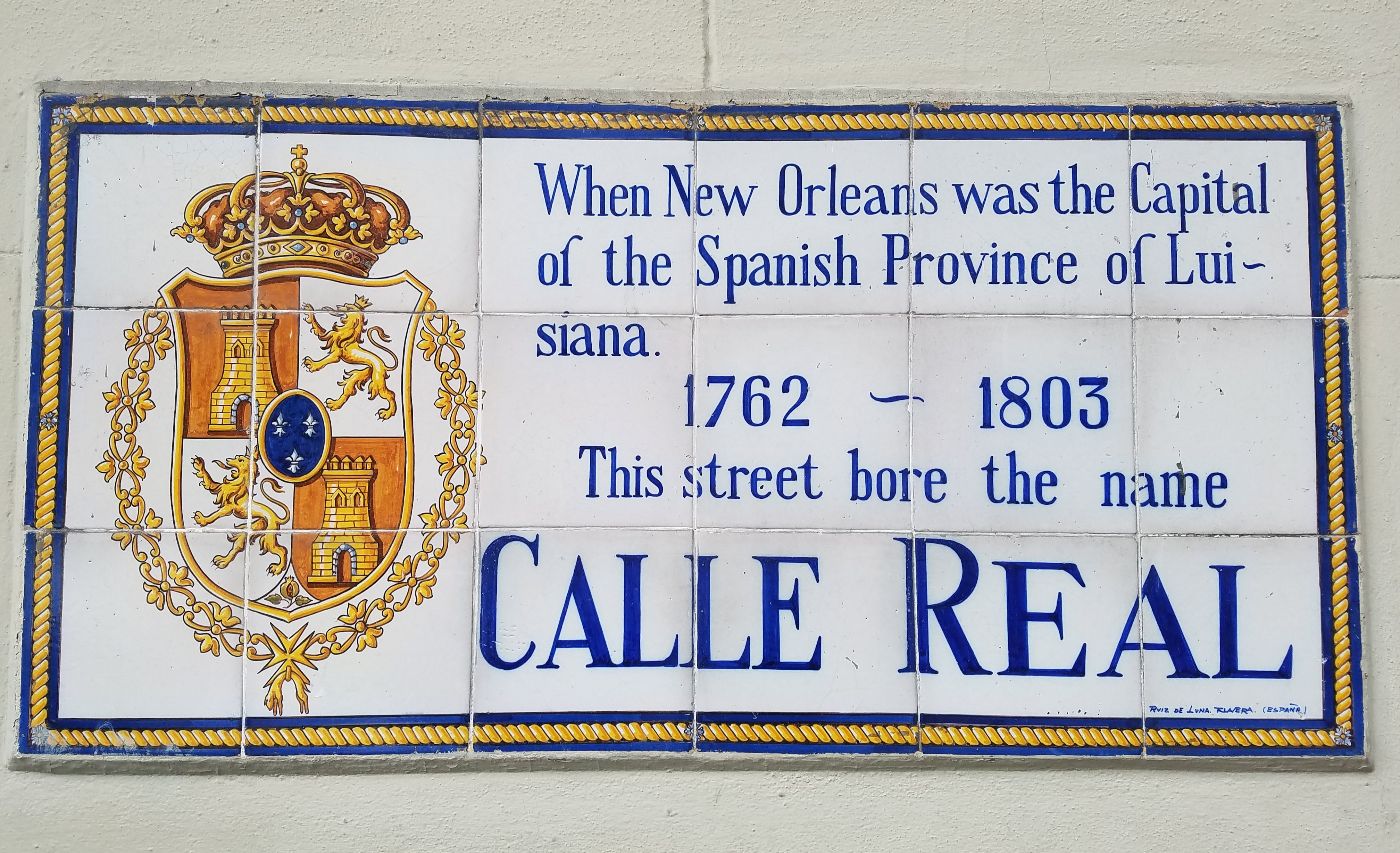 Bouligny’s intelligence sources allowed him to recognize that Great Britain wanted to capture New Orleans, dominate the Mississippi Valley and begin the conquest of other Spanish colonies in the Americas rich in valuable resources. He also observed that British colonial functionaries were offering vast land grants to Anglo-American colonists residing along the Atlantic seaboard in Spanish West Florida. This phenomenon resulted in the settlement of lands fronting the Mississippi River from Natchez southward to what is today Baton Rouge in addition to territory inland from the Mississippi.
This policy was carefully reviewed by the administrative council of Carlos III and adopted which resulted in the recruitment of more than 3,000 Canary Islanders between 1777 and 1782 to settle in Louisiana. Additionally, a contingent of colonists from Málaga on the Spanish mainland as well as Acadian refugees who had fled Nova Scotia and returned to continental France were settled. Spain had determined that Louisiana was to serve as a barrier to British colonial expansion west of the Mississippi River. The traditional fundamental attitude of Spanish administrators was that the empire was “a seamless garment,” and no part of the Empire could be alienated without compromising the whole.
The recruitment was initially administered by Matías de Gálvez, teniente del rey in the Canaries, whose son Bernardo was serving as Governor of Louisiana. The recruitment effort was continued by Andrés Amat de Tortosa. Soon the Santísimo Sacramento, the first ship carrying colonists to Louisiana, left the harbor of Santa Cruz de Tenerife on July 10th, 1778 with more than 260 colonists. As of 2021, researchers have identified 16 frigates and packet boats transporting colonists destined to Louisiana. Meanwhile, Spain entered the American Revolutionary War against Great Britain and as an ally of France which forced many ships to bring Isleño colonists to Cuba until the end of hostilities. Only after this event were many of the recruits able to finally reach Louisiana. The last of the Canarian recruits arrived in Louisiana in 1783.
Governor Bernardo Vicente de Gálvez y Madrid had planned carefully for the settlement of Isleño colonists in Louisiana. He and a team of administrators had selected five locations to settle the Isleños after surveying areas surrounding New Orleans between 1777 and 1778. These sites fronted waterways which ultimately connected the Mississippi River to waterways or bodies of water leading to the Gulf of Mexico. The waterways were strategically significant because an invading force could sail through them, reach the Mississippi River, and potentially capture New Orleans. The first settlement, Villa de Gálvez, or Galveztown, was located at the confluence of Bayou Manchac and the Amite River in proximity to the British fort at Baton Rouge. The other settlements were Valenzuela which was situated along Bayou Lafourche, Barataria which was located along Bayou des Familles in modern-day Jefferson Parish, and La Concepción or Tierra de Bueyes, later San Bernardo, along the banks of Bayou Terre-aux-Boeufs and a mere 16 miles downriver from New Orleans on the east bank of the Mississippi. A fifth settlement for Bayougoula was projected, but never begun. It was not long until the Barataria settlement suffered catastrophic flooding by the Mississippi River in 1782 and the survivors were relocated to San Bernardo and Valenzuela.
Galveztown was the only settlement laid out in a town grid. The other settlements were linear facing the waterways which the Canary Islander recruits were to defend against the anticipated British invasion and to develop as farmlands. Modest houses, constructed of mud-and-moss between posts, were constructed in each of the settlements on land grants awarded to each settler. Livestock was given to each family in addition to farm tools, bolts of cloth, rations of food, and an annual stipend to the male head of household for his military service in the Fixed Regiment of Louisiana.
Isleños fought against the British during the American Revolution through their service in the Gálvez Expedition. Militiamen from the four Isleño settlements including San Bernardo, or Tierra de Bueyes, participated in the three major military campaigns: Manchac and Baton Rouge (1779), Mobile (1780), and Pensacola (1781). At the conclusion of the Gálvez Expedition in 1781, the British colonial presence along the Gulf Coast of what is today the United States was destroyed. Following the American Revolution, the male inhabitants of Terre-aux-Boeufs, coupled with planters living along the lower coast of the Mississippi downriver from New Orleans and residents of present-day Plaquemines Parish, all served in a regiment named the “Volunteers of the Mississippi,” organized in 1792. The regiment was reorganized by the American territorial and state governments as the Third Regiment of Louisiana Militia. After the British expeditionary force appeared in the waters of the Gulf of Mexico in September 1814, Louisiana residents recognized the coming British invasion of this region first anticipated by the Spanish colonial government in the 1770s. It is one of history’s ironies that Spanish colonists settled in Louisiana to halt British colonial encroachment in North America finally did so as citizens of the United States.
The Third Regiment of Louisiana Militia was called to active service December 16th, 1814 to defend New Orleans against the British. There were no weapons provided by the United States Government—the militiamen used their own shotguns and rifles. Regimental officers provided a small quantity of additional firearms which helped to compensate for the dearth of resources otherwise available. The British landed downriver from New Orleans at the sugar plantation of Jacques Philippe Villeré the morning of December 23rd, 1814. The Isleños and other soldiers belonging to the Third Regiment engaged the British in fierce combat the night of December 23rd. The shocked British hesitated and regrouped the following day, allowing Major General Andrew Jackson to develop his line of defense at Chalmette Plantation. In January 1815, the British retreated through the Isleño settlement along Bayou Terre-aux-Boeufs. Isleño farms were plundered by the British as they retreated. The Isleño community sustained perhaps the greatest losses of property and hardships resulting from the British invasion, though all properties involved in the extended battlefield of New Orleans were substantially damaged if not totally destroyed.
Of the four Isleño settlements, San Bernardo was proclaimed most successful by Governor Esteban Miró in 1791. Established linearly along the banks of Bayou Terre-aux-Boeufs, once the main channel of the Mississippi River thousands of years ago, the fertile land of the delta yielded crops of vegetables never-before imagined by the Isleños during their lives as farmers in the Canaries. Garlic, potatoes, sweet potatoes, onions, beans, and poultry were sold by Isleño farmers in New Orleans’ open-air market. By 1803, St. Bernard Parish produce and poultry dominated the New Orleans market.
The settlement of San Bernardo by Isleño colonists began in 1779 on land which was donated by Governor Gálvez’ brother-in-law, Pierre Phillipes de Marigny, to the King of Spain for the settlement of Isleño families. Marigny was commissioned to colonize Isleños in Louisiana in 1778 and appointed the first commandant of San Bernardo in 1780. Ultimately, there were multiple smaller settlements known as establecimientos or puestos which composed the Población de San Bernardo and followed Bayou Terre-aux-Boeufs to what is today Delacroix Island. The easternmost settlement, the quinto establecimiento, developed in 1783, came to be called Bencheque and was named for the Montaña y Barranco de Bencheque near Icod de los Vinos and Garachico, Tenerife. Many colonists settling in this area came from Icod de los Vinos,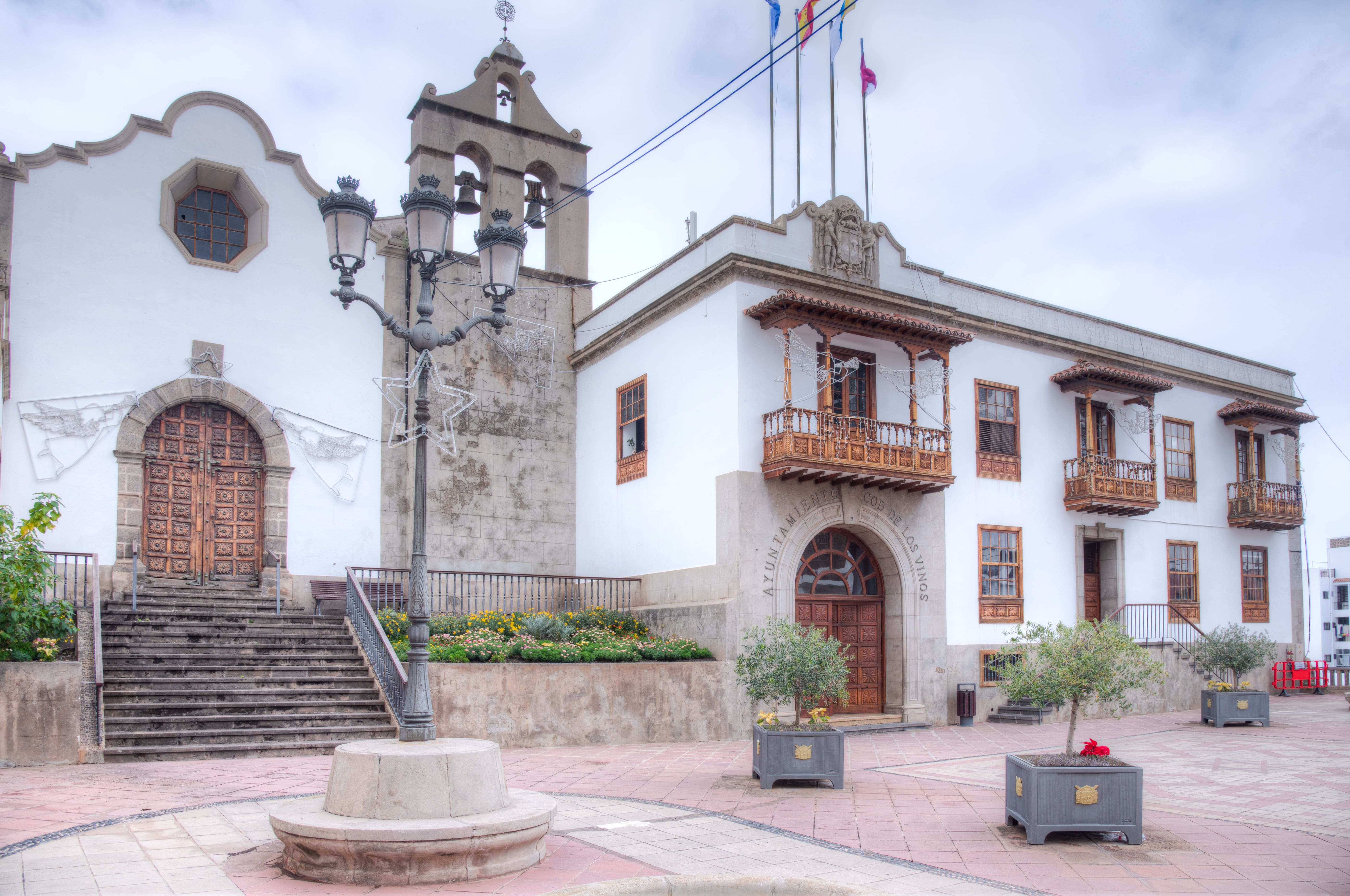 so these formations would have been a familiar landmark to them. Simultaneously, colonists from La Gomera were settling in the same area. One of the landmarks familiar to the gomeros was the Barranco de Benchijigua. Both names are Guanche in origin which makes St. Bernard Parish perhaps the only community in the United States with a Guanche place name. The Bencheque settlement originally stretched from Olivier Plantation through what is called today as Reggio down to Wood Lake.
Colonist Felix Marrero recalled in an 1831 deposition presented to the United States Congress that he had been relocated to St. Bernard from Barataria in 1782. Carlos Trudeau, the surveyor general of Louisiana, had delineated the boundaries of the land grant awarded to him in St. Bernard Parish and Marrero was still living on the grant when he gave his deposition. Grants ranged in size from half of an arpent to three arpents frontage along Bayou Terre-aux-Boeufs by a depth of 40 arpents. The family’s size determined the quantity of arpents awarded in each land grant. Pedro de Marigny, his cousin, and second St. Bernard Parish Commandant Pedro Denis de La Ronde and Charles Fagot de la Garciniere were among the officials who joined surveyor Trudeau in placing each Isleño family in possession of land grants in what was finally called, at the end of the Spanish colonial administration, the Población de San Bernardo, and by 1792, the Parroquia de San Bernardo.
Isleño colonists from Tenerife brought the tradition of domesticating cattle to St. Bernard. Ranchers throughout Louisiana and eastern Texas drove herds of cattle to Saint Bernard village for training by Isleños who became renowned in the nineteenth century for their ability to domesticate livestock. The tradition of cattle training evolved in Tenerife because of a scarcity of horses and mules. In addition to cattle training and farming, Isleños worked on the sugar plantations facing Bayou Terre-aux-Boeufs and Bayou La Loutre in eastern St. Bernard Parish. Following the Battle of New Orleans in 1815, a large segment of Isleño farmers were unable to recover from the calamitous losses resulting from the British occupation of Bayou Terre-aux-Boeufs, thus hastening a process of purchasing and consolidating smaller contiguous Isleño land grants into larger sugar producing estates which had begun in the 1790s.
Drayage performed by ox-drawn carts declined after the establishment of the Mexican Gulf Railroad in 1836. A hostile environment significantly intensified following the extension of the railroad line eastward beyond Poydras Plantation in 1842. Not only had oxcarts brought vegetable crops to New Orleans, but hogsheads of sugar were brought from productive sugar plantations to the city as well. Plans to develop a deep-water port in the Mississippi Sound at Ship Island also necessitated the extension of the railroad through the easternmost part of St. Bernard Parish in the Biloxi Marsh area. The hostile situation between the Isleño draymen and the Mexican Gulf Railroad group was so intense that Governor André Bienvenu Roman activated the Louisiana State Militia to protect those constructing the railroad. Railroad construction was completed to what became Proctorville/Old Shell Beach on the shores of Lake Borgne by 1850. Following the Civil War, the bulk of seafood and wildgame harvested by Isleños was shipped to New Orleans using this railroad which they had vigorously opposed originally.
Homes of Isleños along Bayou Terre-aux-Boeufs in the nineteenth century remained little changed from the houses originally constructed by the Spanish Government for the colonists. Until the early twentieth century, the houses usually consisted of four rooms, often built of vertical boards, with porches in the front and rear and high-pitched, gabled roofs. Kitchen buildings were detached from the main house. Other outbuildings included privies, barns, corn cribs, chicken coops, and stables for livestock.
St. Bernard Catholic Church, established in 1785, became the first ecclesiastical parish established downriver from New Orleans. The first permanent church building was constructed in 1787 and built at the geographic center of the Población de San Bernardo. Public proclamations were posted on the doors of the church from the colonial period until the Civil War. The commandant’s office, located on the grounds of the church, became the first St. Bernard Parish courthouse in 1807 and remained in use until 1848. The commandant regularly mustered the militia on the lawn of the church which also served as a festival ground. Founded in 1787, the St. Bernard Catholic Cemetery began in the eastern yard of the church and moved across Bayou Terre-aux-Boeufs facing St. Bernard Catholic Church in 1813. St. Bernard Catholic Cemetery is the oldest extant burial ground in the New Orleans metropolitan area and remains one of the oldest cemeteries in Louisiana. The Cemetery is two years older than St.Louis Number One Cemetery in New Orleans, established in 1789.
Antonio Méndez, clerk of the Cabildo in New Orleans, and his partner Manuel Solís developed a process for granulating sugar in 1787 at their plantation located in Monte Lacre, or Wood Lake, in what evolved into the wetlands of St. Bernard Parish in the twentieth century.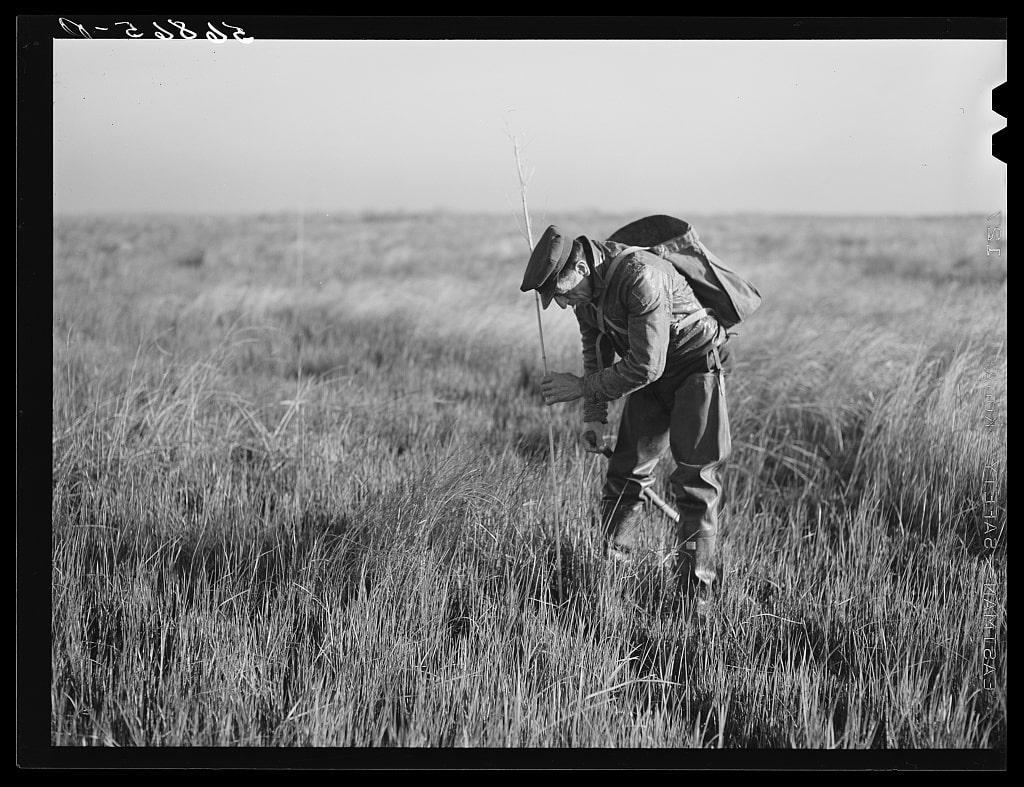 Thus, the sugar industry in Louisiana was born in San Bernardo. Solís had traveled to Louisiana from Cuba with Isleño colonists destined to settle in Louisiana following the American Revolution. By the early 1790s, sugar cane was rapidly replacing indigo as the principal cash crop of colonial Louisiana. The soil and climate conditions below New Orleans were particularly conducive to sugar cane cultivation. At least ten large sugar plantations were established along Bayou Terre-aux-Boeufs by the 1840s.
After selling their land grants to the planters following the Battle of New Orleans, the Isleños frequently worked on the plantations they helped to create. Those who tired of plantation work began to resettle in the easternmost reaches of St. Bernard Parish in the 1830s, resulting in the beginning of the fishing community at La Isla, later known as Delacroix Island. After the Civil War, the sugar plantation economy of St. Bernard Parish was totally destroyed. Despite the efforts of sugar planters, the plantations faltered throughout the remainder of the nineteenth century. Large numbers of Isleños were forced to live off the land in addition to relying on small-scale vegetable farming. They pursued trapping fur-bearing animals, professional hunting, moss gathering, and commercial fishing. The railroad line connecting Old Shell Beach to New Orleans appeared to yield inexhaustible supplies of shrimp, crabs, fish, and game for consumption in the “Queen City of the South.”
By the early twentieth century, Old Shell Beach, Yscloskey (sometimes Ysclocsy), Alluvial City, and La Chinche (known today as Hopedale), all located along Bayou La Loutre, Bayou Yscloskey, and Lake Borgne had become thriving communities inhabited by Isleño commercial fishermen and trappers. The Borgnemouth Community was established in 1904 at the mouth of the Violet Canal. The canal connected the Mississippi River to Lake Borgne and soon became another settlement inhabited by Isleño trappers, commercial fishermen, and farmers. In time, Borgnemouth came to be known as Violet, the name of the original post office in the village. An expression in the Isleño community proclaimed that St. Bernard Parish produce, seafood and gamemade New Orleans cuisine famous!
Isleño trappers found wetlands teaming with muskrats, minks, and otters. Before World War II, St. Bernard Parish was nationally recognized as a leader in the fur industry. Fur pelts were used to make coats, collars and in other types of clothing. Money flowed in the fur industry. Hunters provided New Orleans with choice wild ducks and wildfowl, such as rail, and were considered great delicacies. The skies over St. Bernard Parish wetlands often darkened with ducks during the winter season, so plentiful were these highly sought-after waterfowl. Spanish moss, literally ripe for the picking, was often used in furniture upholstering, bed mattresses and automobile seats. Some Isleños enjoyed a new prosperity resulting from this culture of “living off the land.” The fur and commercial fishing industries were multi-million-dollar businesses in Louisiana during the first half of the 20th century.
Improved roads built in the 1920s and later eventually opened access to these previously remote areas of St. Bernard Parish. Isleños gradually became more connected to New Orleans and southeast Louisiana as they purchased trucks and automobiles to travel to sell their seafood. Following World War II, many Isleños returning home began to seek job opportunities in the large industrial facilities which developed along the Mississippi River in St. Bernard Parish during the 1930s-1950s. Many Isleños began to leave the traditional fishing villages in eastern St. Bernard Parish, choosing to settle in communities such as Meraux and Chalmette. Their children were then reared outside the traditional Isleño cultural environment and did not learn to speak Spanish as they became assimilated into somewhat mainstream, American culture.
Today, thousands of Isleño descendants live in the New Orleans area and perhaps 100,000 or more descendants of eighteenth century Canary Islander colonists are found throughout southern Louisiana. However, only in St. Bernard Parish has a significant measure of the Isleño heritage and cultural legacies been preserved into the twenty-first century. While Isleño Spanish is rapidly vanishing from St. Bernard Parish, still there are those descendants who still speak the language of their ancestors after almost 250 years. The St. Bernard Parish descendants’ community has succeeded in preserving significant vestiges of the Canarian cultural identity, though that identity has evolved in Louisiana through a process of creolization. Many scholars argue that perhaps the most significant element of Louisiana's cultural heritage is how a Creole cultural identity evolved and how those who settled in Louisiana adopted the Creole culture while redefining the definition of Creole in the process. Today, the Isleño communities of St. Bernard Parish and all those who trace their ancestry to eighteenth-century Canary Islanders who settled in Louisiana survive as the living vestige of Spanish Colonial Louisiana.